Ask ten expats what the cost of living in the Dominican Republic is and you will get ten different numbers. The answer depends almost entirely on which city you choose, whether you eat where locals eat, and whether you run an air conditioner all day. A retired couple in Jarabacoa can live on US$1,400 a month. A remote-working family renting a gated villa in Cap Cana can spend US$6,000 and still feel they are watching the budget.
This guide pulls 2026 data from Numbeo, Expatistan, Live and Invest Overseas, and DRListings rental inventory. It breaks down the cost of living in the Dominican Republic the way most national overviews do not: by city, by budget tier, and by the line items that actually surprise newcomers once they arrive.
Quick Take: How Much Does It Cost to Live in the Dominican Republic per Month?
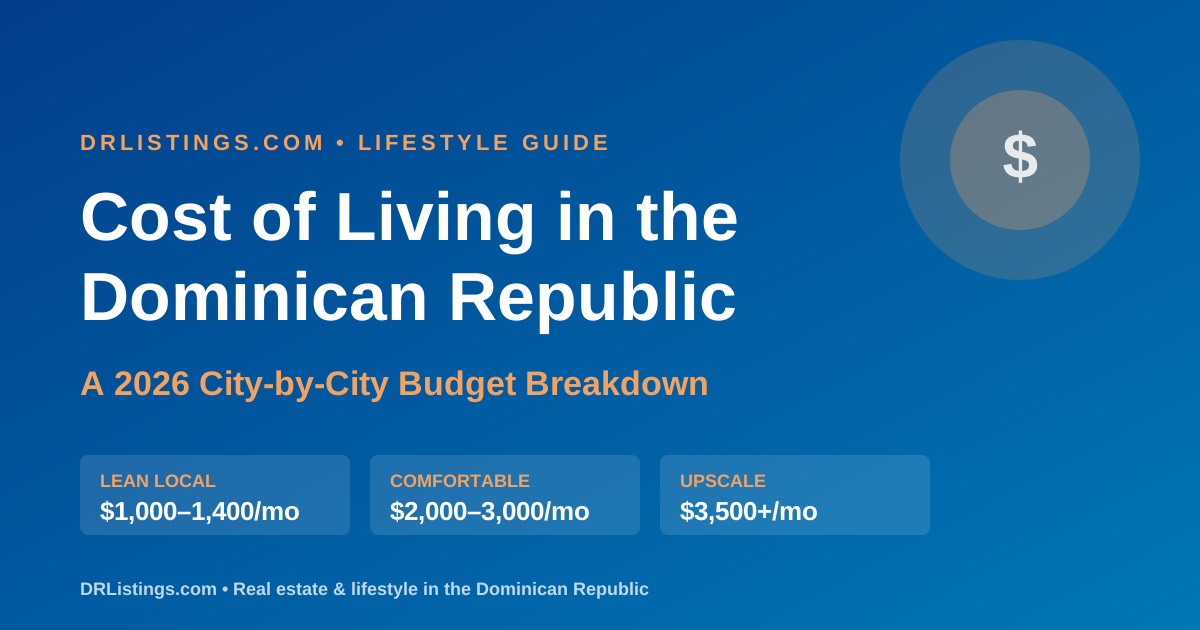
A single person can live comfortably in the Dominican Republic on about US$1,500–2,500 per month. That covers rent, utilities, food, transport, and private health insurance. Lean local budgets start near US$1,000. Gated communities in Cap Cana or Piantini push monthly costs above US$3,500. City and lifestyle drive most of the difference.
Three Budget Tiers (National Averages)
The Dominican economy runs on two parallel price systems: a local one and an imported, expat-facing one. Where you sit between them defines your monthly burn.
- Lean local — US$1,000–1,400/mo. A single person renting a basic Dominican apartment outside the tourist zones, cooking at home with local groceries, using public transport and motoconchos, and skipping AC. Common in Santiago, Puerto Plata, and Jarabacoa.
- Comfortable expat — US$2,000–3,000/mo. A modern one-bedroom in a decent neighborhood, AC running most of the day, dining out two or three times a week, private health insurance, occasional Uber or a small used car.
- Upscale — US$3,500+/mo. A gated-community condo or villa, imported groceries from PriceSmart and Jumbo, regular restaurants, household help, a car, and private school for kids if applicable.
These are national averages. Add 20–40% if you anchor in Punta Cana or Cap Cana. Subtract 15–25% if you base in Jarabacoa or Santiago.
Line-Item Monthly Costs in the Dominican Republic
Numbers below are 2026 USD ranges drawn from Numbeo, Expatistan, and current rental listings. Treat them as ranges rather than precise quotes. The peso (DOP) trades around 59–63 to the dollar in 2026, and small swings move the math.
| Category | Typical 2026 Cost (USD) | |---|---| | 1BR rent, city center | US$500–1,400 | | 1BR rent, outside center | US$350–800 | | 3BR rent, city center | US$900–2,500 | | Electricity (no AC) | US$40–80 | | Electricity (heavy AC) | US$150–300 | | Water | US$10–25 | | Internet (50–200 Mbps) | US$35–70 | | Mobile plan with data | US$15–30 | | Groceries, single person | US$250–450 | | Local comedor lunch | US$3–6 | | Mid-range dinner for two | US$35–70 | | Gasoline, per gallon | US$4.50–5.30 | | Uber base ride in Santo Domingo | US$2–4 | | Private GP visit | US$30–70 | | Private health insurance, expat | US$70–200 | | Housekeeper, twice a week | US$120–200 |
A few numbers worth flagging. Power is the single most volatile bill. A two-bedroom condo with AC running 12 hours a day in Punta Cana can produce a US$250 Edenorte or Edeeste invoice in August. The same unit costs US$60 to run in February with the windows open. Internet speeds vary too. In the cities, fiber from Altice or Claro is reliable. In mountain towns or beach barrios, expect copper or fixed wireless.
Cost of Living in the Dominican Republic by City
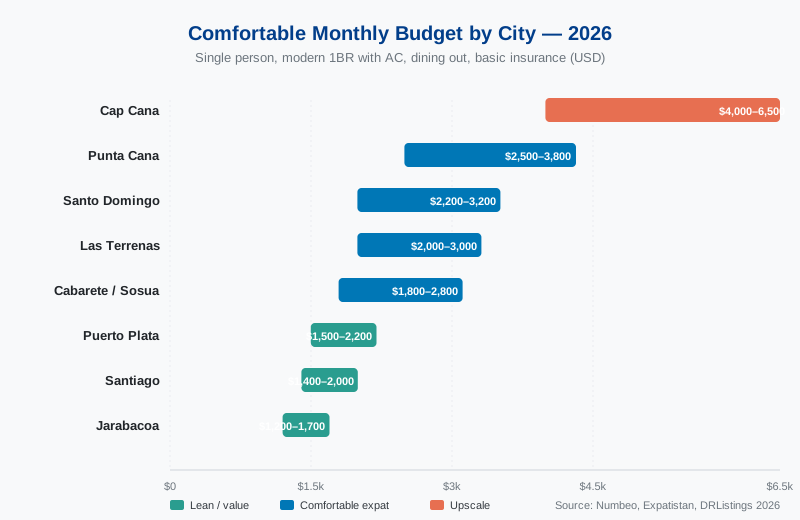
This is where the national averages break down. Below are the eight cities most American and Canadian buyers weigh, with a typical monthly budget for a single person living comfortably (modern one-bedroom, AC, dining out, basic insurance).
View text version of this infographic
Comfortable monthly budget by city — 2026 USD, single person, modern 1BR with AC, dining out, basic insurance:
- Cap Cana: US$4,000–6,500 (upscale)
- Punta Cana: US$2,500–3,800 (comfortable expat)
- Santo Domingo: US$2,200–3,200 (comfortable expat)
- Las Terrenas: US$2,000–3,000 (comfortable expat)
- Cabarete / Sosua: US$1,800–2,800 (comfortable expat)
- Puerto Plata: US$1,500–2,200 (lean / value)
- Santiago: US$1,400–2,000 (lean / value)
- Jarabacoa: US$1,200–1,700 (lean / value)
Source: Numbeo, Expatistan, DRListings 2026.
Santo Domingo Cost of Living
The capital has the most expensive central rent in the country and also the most cosmopolitan feel. Piantini and Naco draw professionals and embassy staff with high-rise condos, walkable streets, and the country's best healthcare. A modern one-bedroom in Piantini runs US$900–1,500. Bella Vista and the Colonial Zone are more moderate at US$650–1,000. Gazcue offers older buildings closer to US$500–800.
- Comfortable monthly budget: US$2,200–3,200.
- Best for: Professionals, frequent flyers (SDQ airport is 30 minutes away), anyone prioritizing healthcare or city life.
- Drawbacks: Traffic, noise, and limited beach access. Power outages still happen in older grids.
Browse real estate in Santo Domingo or condos for sale in Santo Domingo to see live pricing.
Santiago Cost of Living
The country's second city sits in the Cibao Valley and runs almost entirely on the local economy. Rents are roughly 30% below Santo Domingo for similar quality. A nice one-bedroom is US$450–800. Groceries are cheaper because the agricultural belt surrounds the city.
- Comfortable monthly budget: US$1,400–2,000.
- Best for: Budget-conscious expats, Spanish learners, families who want a less touristy city.
- Drawbacks: Smaller English-speaking community, no beach, fewer international restaurants.
See Santiago real estate for current options.
Punta Cana Cost of Living
Punta Cana and neighboring Bávaro are tourism-driven, which pushes both rents and groceries up. A one-bedroom in a modern gated condo runs US$1,200–2,500 fully furnished, often quoted in USD. Imported groceries at Jumbo or Nacional carry a 20–30% premium over Santo Domingo.
- Comfortable monthly budget: US$2,500–3,800.
- Best for: Beach-first lifestyles, retirees, golfers, short-term rental investors.
- Drawbacks: Heavy AC bills, dependence on cars or shuttles, seasonal price swings.
Browse Punta Cana real estate or the broader DR East Coast properties for nearby options like Bávaro.
Cap Cana Cost of Living
Cap Cana is the gated-community top tier, closer to South Florida than to Dominican pricing. Rentals start around US$2,000 for a one-bedroom and climb past US$8,000 for a beachfront villa. Groceries, dining, and services inside the gate carry resort markups.
- Comfortable monthly budget: US$4,000–6,500.
- Best for: Buyers who want US-style amenities, security, and golf without leaving the property.
- Drawbacks: Cost. You pay Miami prices in a country where you do not have to.
See Cap Cana real estate for sale and rental ranges.
Cabarete and Sosúa Cost of Living
The North Coast lifestyle hub. Cabarete is kitesurfing, yoga, and remote-worker cafes. Sosúa is older-school expat with more amenities. Oceanfront one-bedrooms run US$900–1,800. Dining is cheaper than Punta Cana because the restaurants serve locals as well as visitors.
- Comfortable monthly budget: US$1,800–2,800.
- Best for: Surfers, digital nomads, retirees who want walkable beach towns.
- Drawbacks: Power reliability is weaker than the capital. Many residents run inverters.
See Cabarete real estate or the broader DR North Coast properties for Sosúa and Puerto Plata options.
Las Terrenas Cost of Living
A French and Italian expat enclave on the Samaná peninsula with a Mediterranean feel and pricing to match. One-bedrooms run US$800–1,600. Groceries skew European and cost more than other DR towns. Restaurants are excellent and not cheap.
- Comfortable monthly budget: US$2,000–3,000.
- Best for: Buyers who want European food, beaches, and a smaller-town pace.
- Drawbacks: Three-hour drive from SDQ. The local airport (AZS) handles only regional flights.
See Las Terrenas real estate for the local market.
Puerto Plata Cost of Living
Older expat scene, lower cost. The city itself is utilitarian. The appeal is the surrounding beaches (Costambar, Cofresí) and proximity to Cabarete. One-bedrooms run US$500–900.
- Comfortable monthly budget: US$1,500–2,200.
- Best for: Retirees on fixed incomes, buyers who want North Coast access without Cabarete prices.
- Drawbacks: The city has had infrastructure issues. Stick to gated developments or the beach suburbs.
Browse Puerto Plata real estate for current listings.
Jarabacoa Cost of Living
The mountain alternative. Jarabacoa sits at 1,750 feet, runs cool year-round, and skips the AC bill entirely. Rents are the lowest of any expat-friendly DR city. A decent one-bedroom is US$350–650.
- Comfortable monthly budget: US$1,200–1,700.
- Best for: Retirees on tight budgets, hikers, anyone who hates Caribbean heat.
- Drawbacks: Two hours from the nearest beach, smaller English-speaking community.
See Jarabacoa real estate for the local market.
Hidden Costs of Living in the Dominican Republic
Most cost-of-living posts stop at rent and groceries. These line items are what break newcomer budgets.
- Power backup. The grid in most beach towns is unreliable enough that residents install an inverter and battery bank (US$1,500–4,000 upfront) or a propane generator. Without one, expect daily outages of one to four hours.
- Drinking water. Locals do not drink the tap water. A 5-gallon botellón costs RD$50–80 (under US$1.50) and most households go through three to six per week.
- Condo HOA (mantenimiento). Gated condos charge monthly fees of US$150–600 depending on amenities. Cap Cana developments can run US$1,000+ for villas.
- ITBIS. The Dominican VAT is 18%, applied to most imported goods, restaurant meals, and many services. It is baked into menu prices but not always into store stickers.
- Vehicle costs. Import duties make used cars cost 30–50% more than equivalent US prices. A 5-year-old Toyota RAV4 that sells for US$22,000 in Florida lists for US$30,000+ in DR.
- Property tax (IPI). Owners of property valued above the annual exempt threshold pay 1% on the excess. See our guide to Dominican Republic property taxes for the current bracket and exemptions like CONFOTUR tax benefits on qualifying tourism-zone purchases.
- Private school tuition. International schools run US$3,000–15,000 per year. Bilingual Dominican private schools are roughly half that.
Healthcare: Private Insurance and Out-of-Pocket Reality
Healthcare is one of the strongest arguments for the DR over the US. A private GP visit runs US$30–70. A specialist is US$50–150. An overnight hospital stay at a top private hospital like CEDIMAT or Hospiten is a fraction of US pricing.
Private health insurance for expats runs US$70–200 per month for individuals, depending on age, deductible, and coverage area. Major Dominican insurers like Humano, ARS Universal, and Mapfre sell expat-tier plans. Several international carriers (Cigna Global, GeoBlue) cover DR residents. Residency unlocks the public SeNaSa option, but most expats stay private for shorter wait times and English-speaking staff.
If you are weighing healthcare against another retirement destination, the Mexico vs Dominican Republic comparison and the Dominican Republic vs Costa Rica post both compare medical infrastructure in detail.
How Cost of Living in the Dominican Republic Compares to the US
National averages put the DR roughly 30–45% cheaper than the US on overall cost of living. Rent runs about 60% lower across comparable cities. The gap is widest on housing, dining out, and services like household help. It narrows on imported goods, electronics, and cars, where the 18% ITBIS plus import duties chew up the discount.
For Canadians, the math is even more favorable. The strong USD-DOP relationship combined with DR's USD-pegged real estate market means CAD income loses less here than in major US sun-belt cities. For broader macro context, see our overview of the DR economic outlook 2026.
Choosing the Right City for Your Budget
A simple decision framework based on monthly budget targets:
- US$1,500–2,000: Santiago, Puerto Plata, Jarabacoa, Sosúa. You will live well, eat out, and not feel pinched.
- US$2,000–3,000: Santo Domingo (Bella Vista, Gazcue, Colonial Zone), Cabarete, Las Terrenas. Comfortable expat lifestyle in a desirable area.
- US$3,000+: Piantini and Naco in the capital, Punta Cana gated condos, Cap Cana. Top-tier amenities and no compromise on imported goods.
If you are deciding between renting and buying, our guide on how to buy property in the DR walks through the trade-offs, and DR mortgage options for foreign buyers covers financing. For broader context on living conditions, see is the Dominican Republic safe.
Tips From Expats
- Pay rent in pesos when you can. Many landlords quote in USD but accept DOP at the daily rate. If the peso weakens, you save.
- Buy local produce at the colmado or mercado. Mangoes, plantains, avocados, and pineapples are far cheaper outside the supermarket chains.
- Get an inverter before you need one. The August power-grid stress hits every year. Installing in February costs less than emergency installs in summer.
- Use Uber in the capital, motoconchos elsewhere. A 10-minute Uber in Santo Domingo costs what a Lyft costs for one minute in Manhattan.
- Open a Dominican peso bank account. Wiring USD every month and converting through a casa de cambio adds up. A local account at Banco Popular or BHD lets you handle utilities and rent in DOP at better rates.
Frequently Asked Questions
How much money do you need to live comfortably in the Dominican Republic?
A single expat needs roughly US$1,500–2,500 per month to live comfortably in the Dominican Republic. That covers a modern one-bedroom rental, AC, groceries, occasional dining out, transport, and private health insurance. A couple should budget US$2,200–3,500 in the same lifestyle bracket. Top-tier areas like Cap Cana or Piantini push these numbers 30–50% higher.
Can you live on $1,000 a month in the Dominican Republic?
Yes, but only in lower-cost cities and with a local lifestyle. US$1,000 covers basic rent in Jarabacoa, Puerto Plata, Santiago, or smaller barrios elsewhere if you cook at home, use public transport, and skip air conditioning. It does not stretch in Punta Cana, Cap Cana, or central Santo Domingo, where rent alone often exceeds US$1,000.
Is the Dominican Republic cheaper than the US?
Yes, by a wide margin. The Dominican Republic is roughly 30–45% cheaper than the US national average across overall cost of living, with rent about 60% lower in comparable cities. Healthcare and labor-intensive services see the biggest savings. Imported goods, electronics, and cars carry import duties and 18% ITBIS that narrow the gap.
How much is rent in the Dominican Republic?
Rent ranges from about US$350 a month for a basic one-bedroom outside city centers in Santiago or Jarabacoa to US$2,500+ for a modern one-bedroom in Cap Cana or top Punta Cana developments. Mid-tier expat one-bedrooms in Cabarete, Las Terrenas, and Bella Vista cluster around US$700–1,200.
What is the average salary in the Dominican Republic?
Average monthly salaries in the Dominican Republic in 2026 sit around US$450–700 for typical urban jobs. Professional roles in Santo Domingo reach US$1,500–3,000. Local wages explain why many expat-tier services like household help, gardeners, and drivers are affordable to foreign-income earners.
How much money do I need to retire in the Dominican Republic?
Most retirees budget US$2,000–3,000 per month per couple for a comfortable lifestyle including rent, healthcare, food, and entertainment. The Dominican retirement (pensionado) residency program traditionally requires proof of around US$1,500/month in pension income, though specifics should be confirmed with current immigration guidance before applying.
Is healthcare affordable in the Dominican Republic for expats?
Yes. Private GP visits run US$30–70, specialists US$50–150, and expat-tier private insurance plans cost US$70–200 per month for individuals. Top private hospitals like CEDIMAT, Hospiten, and Centro Médico UCE operate at a fraction of US pricing while maintaining strong standards in major cities.
What is the cheapest city to live in in the Dominican Republic?
Jarabacoa is generally the cheapest expat-friendly city in the Dominican Republic, with comfortable monthly budgets starting around US$1,200. Santiago, Puerto Plata, and Sosúa follow closely. The mountain climate in Jarabacoa eliminates AC bills, which alone can save US$100–200 per month versus coastal cities.
How much does electricity cost in the Dominican Republic?
Electricity costs US$40–80 per month for a small apartment without air conditioning and US$150–300 per month for a two-bedroom unit running AC most of the day. Beach towns and Punta Cana run higher because of constant AC use. Mountain towns like Jarabacoa rarely exceed US$50 monthly.
Do you need a car to live in the Dominican Republic?
It depends on your city. In Santo Domingo, Uber, public buses, and motoconchos cover most needs. In Punta Cana, Cap Cana, and rural North Coast areas, a car is close to mandatory because public transport is limited. Used-car prices run 30–50% above US equivalents due to import duties.
For more lifestyle and market guides, browse the full DR real estate blog.
David Logan
site_adminContributing writer for DRListings.com, sharing insights about Dominican Republic real estate.
Comments
Log in to join the conversation