

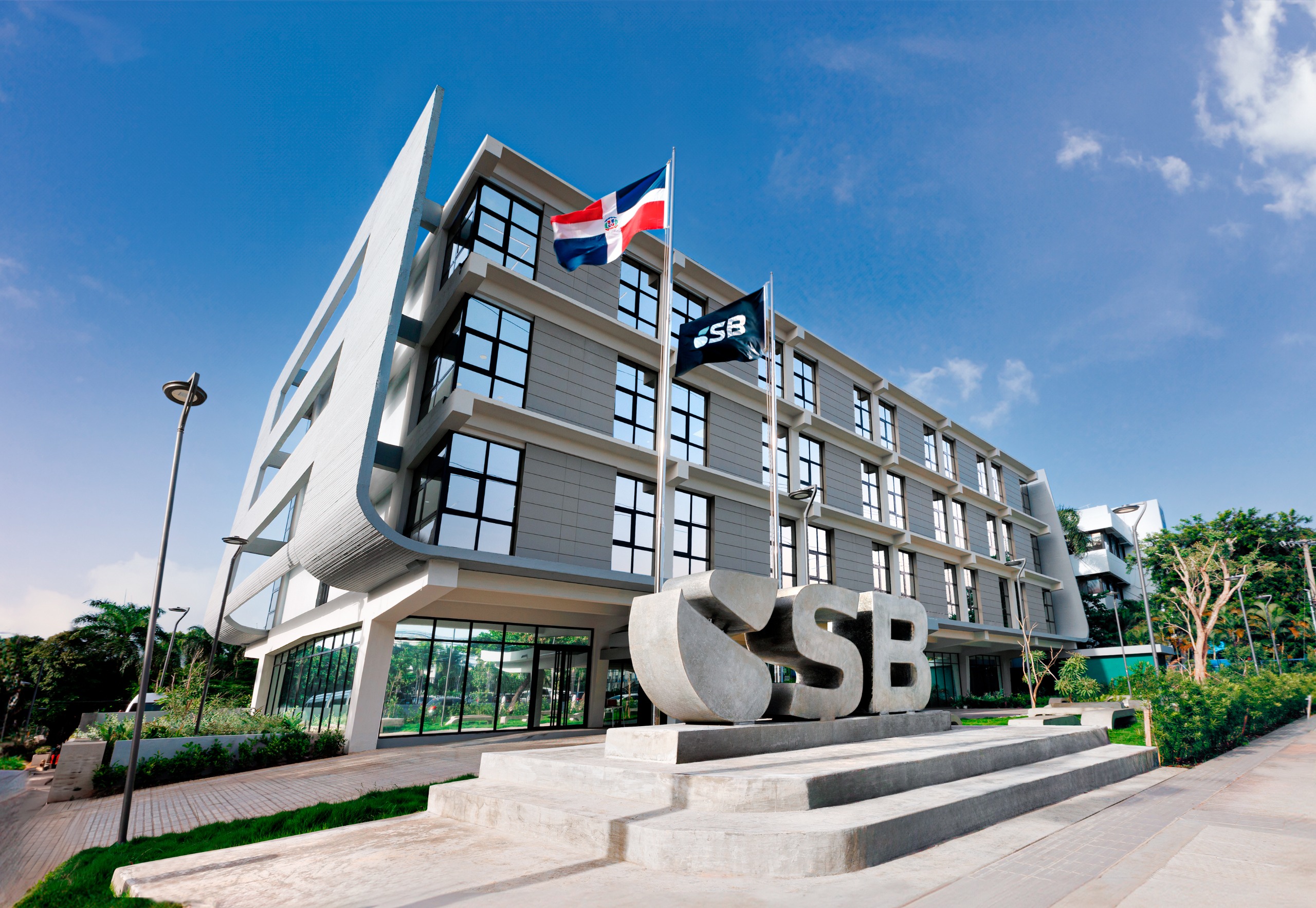
SANTO DOMINGO, Dominican Republic – The Superintendency of Banks (SB) released a new report Wednesday outlining the Dominican Republic's progress and persistent challenges in fostering an inclusive and sustainable financial system.
Titled “Towards an Inclusive and Sustainable Financial System 2025,” the document draws on surveys of financial institutions and their clients. It indicates advancements in gender-focused inclusion and accessibility, yet points to lingering barriers that limit equal participation for vulnerable populations.
The SB emphasized that the report aims to guide public policy and sector-wide strategies to bolster equity, innovation, and trust within the financial system. “Behind every indicator are people who deserve real opportunities for inclusion and participation in economic development,” the institution stated.
Accessibility for People with Disabilities
The report found that 84% of financial institutions have ramps or adapted infrastructure for people with disabilities, signaling progress in physical accessibility. Digitally, 45% of institutions offer accessible websites, and 20% provide accessible mobile applications. However, gaps remain in offering truly inclusive products and ensuring staff are adequately trained to serve this segment effectively.
Disabled individuals surveyed expressed confidence in alternative channels, particularly mobile applications and online banking, with 74% and 70% respectively reporting feeling secure. The report's release coincides with the International Day of Persons with Disabilities on Dec. 3, a date dedicated to promoting inclusion across all aspects of life for vulnerable individuals.
Gender Inclusion
Significant strides have also been made in gender-focused financial inclusion. Women now account for nearly half (48%) of all debtors, and 48% of financial institutions have gender equality policies in place. Additionally, 20% allocate specific budgets for related initiatives.
Despite these advances, only 14% of institutions offer products designed exclusively for women, indicating a need to diversify financial solutions to meet their specific needs. The SB's findings also show that 27% of financial institutions maintain strategic alliances on gender issues, and 14% hold certifications related to equality and best practices.
Women-led micro, small, and medium-sized enterprises (MSMEs) are recognized as a cornerstone for financial inclusion and economic development, contributing over 30% of the Gross Domestic Product (GDP) and more than 60% of formal employment. Initiatives like the Women Entrepreneurs Finance Code (WE-Fi Code) have positioned the Dominican Republic as a regional leader in promoting gender-disaggregated data and reducing the financing gap for women.
From the perspective of female users, overall perception is positive: 84% trust their financial institution, and over 90% (across both genders) report satisfaction with products and services. Nevertheless, 26% of women indicated facing additional requirements when applying for financial products, suggesting ongoing challenges to ensure equal access, use, and quality of financial services.
Migrant Populations
The report highlights that 48% of migrants face requests for additional documentation to access financial products, pointing to stricter verification processes or inconsistent procedures for this group. Despite this, 77% of migrants reported full trust in their primary financial institution.
Financial institutions have begun implementing inclusive mechanisms such as simplified products, basic accounts, and reduced-cost remittance programs, though the reach of these initiatives remains limited.
Older Adults
Among respondents over 65, 16% reported being rejected by a financial institution due to their age. Their participation in the financial system largely centers on traditional savings products, with low adoption of digital channels.
While institutions have started adapting services by offering preferential attention, in-person channels, and financial education programs for those over 65, there is a persistent need to strengthen technological accessibility and digital inclusion for this demographic, alongside developing products specifically tailored for their financial stability and well-being.
Sustainability Initiatives
The report also includes data on sustainability policies within the banking sector. It reveals that 45% of institutions have sustainability-linked policies, and 39% offer green products, such as loans for solar panels and electric vehicles. However, a significant gap in awareness exists, with 43% of users unaware if their institution provides these eco-friendly options.
Sources
Related News
World Bank Officials Praise Dominican Republic's Economic Stability
3 min read
Dominican Republic Launches $106 Million Fund for Irrigation Upgrade
3 min read
Dominican Republic to Overhaul 496 Schools with RD$2 Billion Investment
3 min read
Dominican Government Settles $104 Million Debt with Small Farmers
3 min read